
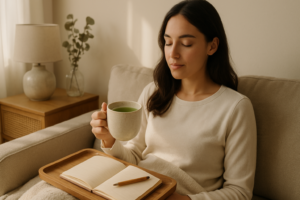



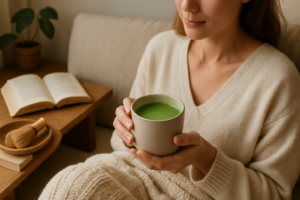

For many people, the day begins with coffee on autopilot. But choosing tea instead of coffee can be a simple way to create a calmer, more intentional routine. Whether you want to explore new flavors, reduce the intensity of your morning cup, or add more botanical variety to your day, tea offers a flexible and enjoyable alternative.
Coffee has a strong place in modern life, but it is not the only option for feeling refreshed and focused. From green tea and oolong to herbal blends made with mint, chamomile, ginger, or rooibos, tea opens the door to a broader daily ritual. The shift does not have to be dramatic either. It can start with one cup.
Why More People Are Choosing Tea Instead of Coffee
One reason tea appeals to so many people is variety. Coffee tends to deliver a familiar experience, while tea can be light, earthy, floral, spiced, or naturally sweet depending on the blend. That range makes it easier to match your drink to your mood, the season, or the time of day.
Another reason is ritual. Brewing tea often encourages a slower pace. Heating water, steeping leaves, and taking in the aroma can turn a basic beverage into a mindful pause. For people trying to build healthier daily habits, that small moment of intention can be just as valuable as the drink itself.
Some tea drinkers also prefer the gentler feel of certain teas compared with a strong cup of coffee. While caffeine levels vary by type, many people find tea easier to fit into a balanced routine. Studies suggest that tea drinking is often associated with mindful lifestyle habits, especially when it replaces more rushed beverage choices.
The Lifestyle Benefits of Building a Tea Routine
Switching beverages is not just about what is in the cup. It is also about what the habit represents. A tea routine can support structure in your day, from a steady morning start to a cozy evening wind-down.
In the morning, black tea or green tea can feel uplifting without requiring the same ritual as a coffee machine or café stop. In the afternoon, a botanical blend can become a reset between tasks. At night, naturally caffeine-free herbal teas can help create a more peaceful transition into rest.
Tea also invites experimentation. You can rotate blends based on the weather, your schedule, or your preferences. This keeps the routine interesting and helps it feel like a lifestyle choice rather than a restriction.
If you enjoy creating small wellness rituals, you might also like exploring other calming beverage habits on the site, such as a daily botanical tea routine or ideas for a simple evening tea ritual. These kinds of routines can make the switch feel natural and sustainable.
How to Transition from Coffee to Tea Without Feeling Deprived
The easiest way to switch is to avoid an all-or-nothing mindset. Instead of giving up coffee overnight, try replacing just one cup a day. Many people start with the afternoon cup, when a lighter option may feel more appealing.
It also helps to choose teas that match what you enjoy about coffee. If you like bold flavor, try black tea, pu-erh, or roasted herbal blends. If you enjoy café-style drinks, make a tea latte with oat milk and cinnamon. If you want something crisp and refreshing, green tea or peppermint may be a better fit.
Temperature and presentation matter too. Drinking tea from a favorite mug, using loose-leaf blends, or adding lemon, honey, or spices can make the experience feel satisfying. The goal is not to “settle” for tea, but to discover what makes it enjoyable in its own right.
You can also create anchors for the new habit. For example, pair your morning tea with journaling, your afternoon tea with a short walk, or your evening tea with reading. These associations help the routine stick.
Best Types of Tea for Different Times of Day
Not all teas serve the same purpose, which is part of their appeal. Choosing the right type for the right moment can make your routine feel more personalized.
Morning
Black tea, matcha, and green tea are popular morning choices. They offer distinctive flavors and can feel energizing as part of a fresh start. If you still want a robust cup, English breakfast or Assam may be the closest match to coffee’s boldness.
Midday
Oolong, white tea, or lighter botanical blends work well in the middle of the day. These can feel refreshing without being too heavy. Mint, ginger, or citrus-based teas are especially pleasant when you want a clean, bright flavor.
Evening
For later hours, herbal options like chamomile, rooibos, lavender, or lemon balm are common picks. Since many herbal teas are naturally caffeine-free, they fit easily into a more relaxed nighttime routine.
Keeping a few options at home makes it easier to stay consistent. A small tea shelf with one morning tea, one afternoon tea, and one evening blend can cover most situations without becoming overwhelming.
Tea Instead of Coffee as a Daily Wellness Ritual
Choosing tea instead of coffee can be about more than swapping caffeine sources. It can become a daily reminder to slow down, check in with yourself, and make more thoughtful choices throughout the day.
That might mean starting the morning without rushing, taking a proper break in the afternoon, or ending the evening with a comforting cup instead of another screen-filled hour. These small rituals add up, especially when repeated consistently.
Tea also fits well into many lifestyles because it is adaptable. You can brew it hot in winter, pour it over ice in summer, or prepare a thermos to take on the go. It works for busy schedules, quiet mornings, office desks, and weekend resets alike.
Most importantly, there is no single right way to do it. Some people fully replace coffee, while others simply reduce it and add more tea throughout the week. Both approaches can support a more balanced and enjoyable beverage routine.
Final Thoughts on Making the Switch
If you have been curious about trying tea instead of coffee, think of it as an invitation rather than a rule. Explore flavors, test different times of day, and build a routine that feels good to you. The best habits are the ones that fit naturally into real life.
Tea offers variety, comfort, and a chance to be more intentional with your daily rhythm. If you are ready to explore a botanical blend that supports your wellness routine, take a look at this tea option here and see whether it could become part of your day.