





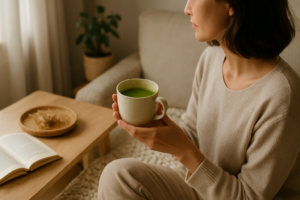
If you’ve been thinking about choosing black tea instead of coffee, you’re not alone. Many people reach a point where they want a morning ritual that feels a little gentler, a little more grounded, and easier to enjoy throughout the day. Black tea offers that balance: familiar warmth, a satisfying flavor, and a botanical tradition that fits beautifully into a calm, sustainable lifestyle.
For some, coffee is all about speed. Tea, on the other hand, often invites a slower rhythm. That shift can be part of the appeal. Swapping one cup at a time can turn your daily beverage routine into something more intentional, while still giving you a rich and energizing start.
Why more people are choosing black tea instead of coffee
One of the biggest reasons people explore black tea is the overall experience. Coffee can feel bold and intense, while black tea tends to offer a smoother, more measured cup. It still has character, but it often feels easier to sip slowly and enjoy over a longer stretch of time.
Black tea also fits well into different parts of the day. A strong breakfast blend can feel brisk and uplifting in the morning, while a lighter afternoon cup can become a comforting pause between tasks. That flexibility makes it appealing for people who want more than a quick caffeine habit.
There’s also the ritual factor. Brewing tea can be simple, but it still creates a small moment of care. Boiling water, steeping leaves, and choosing a favorite mug can make your routine feel less rushed. For many people, that lifestyle shift matters just as much as the drink itself.
Studies suggest that tea drinkers often value the sensory and mindfulness aspects of the habit, not just the beverage. That may help explain why tea routines are so easy to stick with over time.
The botanical appeal of black tea
Black tea comes from the Camellia sinensis plant, the same botanical source as green, white, and oolong tea. What makes black tea different is its fuller oxidation process, which gives it a darker color, deeper aroma, and more robust taste.
That botanical background is part of what makes black tea so interesting. It connects everyday drinking to a long tradition of plant-based preparation and regional tea culture. From Assam and Darjeeling to Ceylon and Keemun, black tea offers a wide range of flavor profiles shaped by climate, soil, and processing methods.
Some black teas are malty and bold. Others are floral, brisk, smoky, or slightly sweet. If you enjoy the complexity of coffee but want a different kind of cup, black tea can feel like a natural next step rather than a compromise.
It also pairs beautifully with other botanicals. A slice of lemon, a cinnamon stick, fresh mint, or a splash of milk can change the experience without overpowering the tea itself. That makes black tea a versatile base for a more personalized beverage routine.
How black tea supports a calmer daily routine
Switching beverages can be about more than taste. It can also be about how you want your day to feel. Black tea often suits people who want a steadier, more reflective rhythm in the morning or afternoon.
Instead of grabbing a drink and rushing on, tea encourages a pause. Even a five-minute steeping time can become a cue to breathe, stretch, or set intentions for the next part of your day. Those small habits can make your routine feel more balanced and less reactive.
Tea is also easy to build into lifestyle rituals. You might start the day with a classic English Breakfast, enjoy an iced black tea at lunch, or create an evening wind-down routine with caffeine-free herbal blends later on. If you enjoy exploring different habits, you could also read similar tea routines on the site, such as simple morning tea rituals or botanical afternoon tea ideas.
That sense of variety is helpful. You’re not just replacing coffee with one single option. You’re opening the door to a broader tea practice that can evolve with your schedule, mood, and preferences.
What to expect when making the switch
If you’re used to coffee, black tea may taste lighter at first. That’s normal. The key is to give your palate a little time to adjust. Start with fuller-bodied varieties if you want something more robust, such as Assam or Irish Breakfast.
You can also make the transition gradually. Try replacing one daily coffee with black tea instead of changing everything at once. Many people find that beginning with the afternoon cup is easiest, since that’s often when a smoother beverage feels especially welcome.
Brewing method matters too. Use fresh water, steep for the recommended time, and experiment with loose leaf or high-quality tea bags. Over-steeping can make black tea taste harsh, while proper brewing brings out its depth and balance.
If you like customization, black tea gives you options. Drink it plain for a clean, classic cup. Add milk for a richer texture. Try it iced with citrus for a refreshing warm-weather alternative. These small adjustments can help the switch feel enjoyable rather than restrictive.
Simple ways to build a black tea habit you’ll actually enjoy
The easiest routine is the one that fits your real life. Keep your favorite tea visible on the counter. Choose one mug you genuinely like using. Pair your tea break with something pleasant, like journaling, reading, or a short walk outside.
You can also create themed tea moments during the week. Maybe Monday starts with a strong breakfast blend, while Friday calls for a spiced black tea in the afternoon. These little patterns make the habit feel personal and fun.
For people who enjoy exploring wellness-oriented beverages, black tea can also sit alongside other botanical options. On this site, it would make sense to link naturally to posts about herbal evening routines or refreshing tea-based lifestyle habits, especially if you’re building a full-day tea rhythm rather than focusing on one drink alone.
And remember, there’s no need to make the switch perfect. Some people fully replace coffee. Others simply reduce it and enjoy more tea during the week. Both approaches can support a more intentional beverage routine.
Choosing the right black tea for your taste
If you want a bold, hearty cup, start with Assam or English Breakfast. If you prefer something brighter and more delicate, Ceylon may be a better fit. Earl Grey is ideal if you enjoy citrusy aroma, while Darjeeling offers a lighter, more layered profile.
Trying a few styles can make the process more enjoyable. Rather than asking whether tea can copy coffee exactly, ask which black tea feels best for your mornings, work breaks, or weekend rituals. That mindset turns the switch into discovery instead of comparison.
You may even find that different teas suit different moods. A brisk blend can energize a busy morning, while a softer cup can complement a quiet afternoon. That range is one of black tea’s biggest lifestyle advantages.
Final thoughts on choosing black tea instead of coffee
Choosing black tea instead of coffee doesn’t have to be an all-or-nothing decision. It can simply be a thoughtful way to bring more variety, botanical enjoyment, and calm structure into your day. With its rich heritage, flexible flavor profiles, and soothing ritual, black tea offers more than a substitute. It offers a different kind of daily experience.
If you’re ready to explore a more comforting tea routine, take a look at this botanical tea option and see how it might fit into your lifestyle. You can also browse other tea routine articles on the site for more ideas on building a simple, enjoyable habit around your cup.